Runtime Intelligence:
CTEM’s Missing Layer
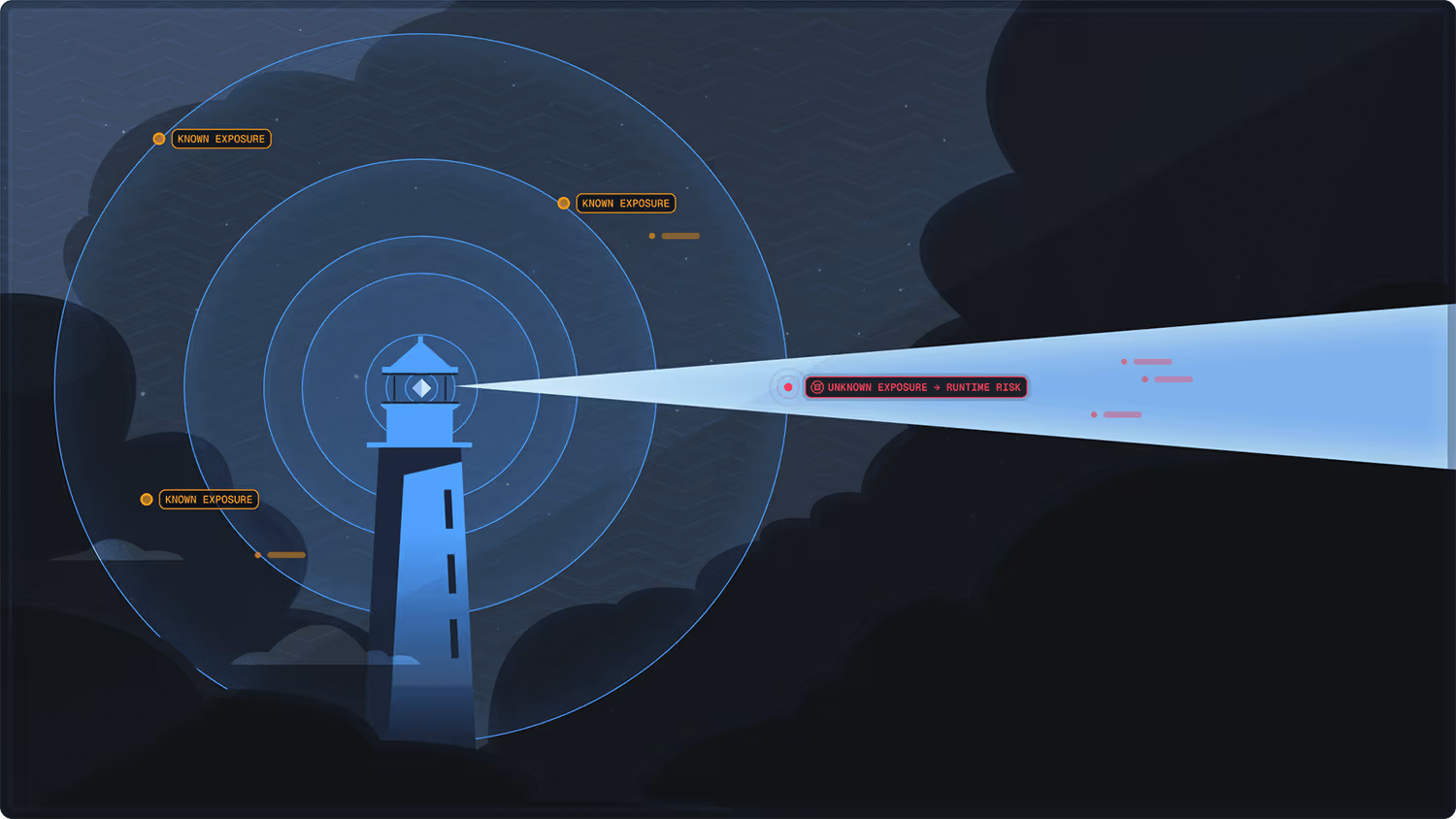
CTEM is shaping the future of risk management, but without runtime intelligence, it can’t see the risks it’s meant to manage. Spektion reveals exploitable conditions as they occur and provides tailored mitigations so you can cut noise, shrink your attack surface, and reduce exposure continuously.
Software Exposure Is Growing Faster Than Teams Can Manage
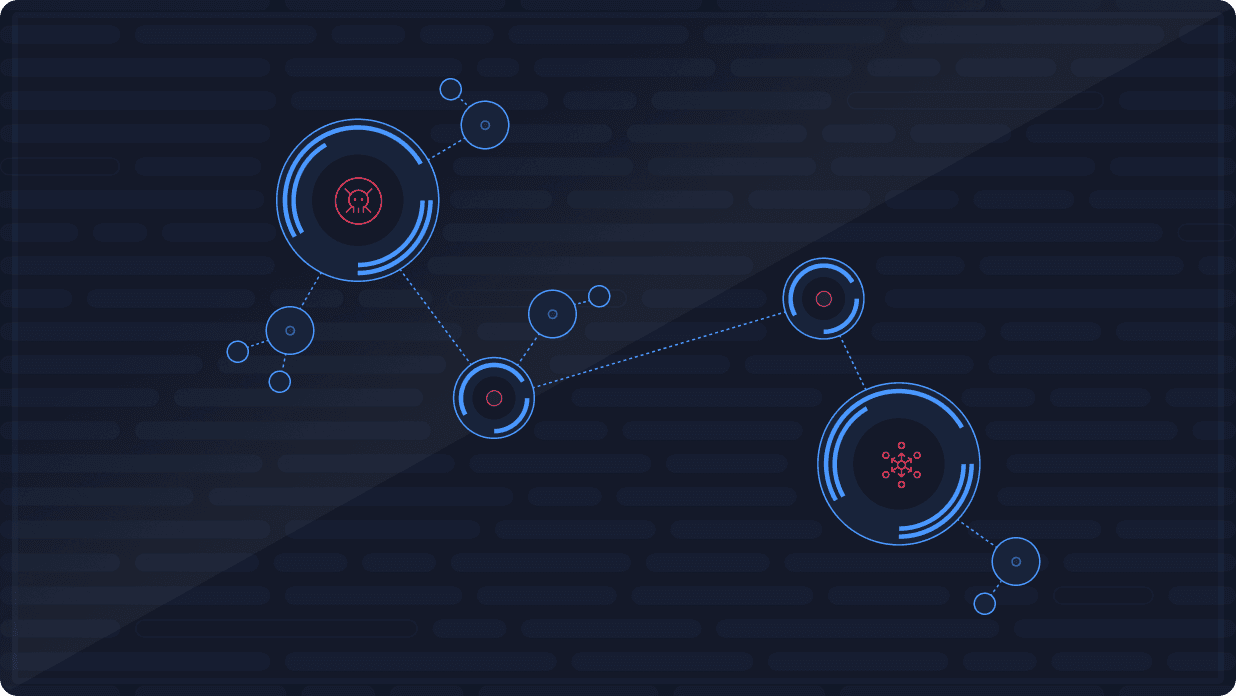
Installed software, including authorized third-party apps, unauthorized installs, and internally-developed tools, often represents significant visibility gaps in modern CTEM programs. These gaps can include exploitable vulnerabilities without CVEs, risky network connections, and functionality that enables attackers to move across the network undetected. Without continuous runtime intelligence, these assets remain hidden behind static registries, leaving exploitable risks unaddressed.
Those Gaps Leave You Exposed

increase in breaches caused by software vulnerabilities year over year
of organizations need multiple days to build a complete software inventory
gap between the number of apps execs think are in use in their orgs vs what’s actually in use
Extend CTEM Programs to See What’s Actually Running
Spektion delivers runtime visibility intelligence, empowering CTEM programs to see what software is running, where it’s running, and how it behaves, turning unseen software into measurable risk reduction.
→ One Spektion customer uncovered 215 remote access tools through runtime monitoring, revealing previously unseen exposure.
→ Another reduced their software exposure footprint by 27% in just 30 days by identifying and removing unused software they were previously unaware of.
By combining continuous exposure monitoring with runtime behavioral analytics, customers can identify real exposures and reduce risk in real time, without relying solely on vendor disclosures.
Runtime Evidence for Every CTEM Stage
1. Scope
Define what’s in scope from a live map of all installed software, including server and endpoint applications, plugins, updates, scripts, tools, and more; filter by behavior, usage, system, vendor, and origin.
2. Discover
Maintain a real-time inventory (including shadow/unmanaged tools), track versions and usage, and detect new installs or risky changes as they happen.
3. Prioritize
Score risks by runtime exploitability and blast radius, enriched with CVE, MITRE ATT&CK, and threat intel for ranked queues.
4. Validate
Confirm what’s genuinely exploitable using live evidence from software runtime, including event chains, privilege requests, memory/network patterns, and communication maps.
5. Mobilize
Apply compensating controls, remove/disable software, harden configurations, segment or block, and push targeted SIEM/EDR detections. Plus, track exposure reduction over time with a live feed of risk change.
Continuous Runtime Visibility, Delivered in Minutes
Spektion translates complex runtime behavior into clear, actionable intelligence that supports every phase of your CTEM program, with fast deployment and minimal overhead.
With Spektion, security, IT, and CTEM teams gain:
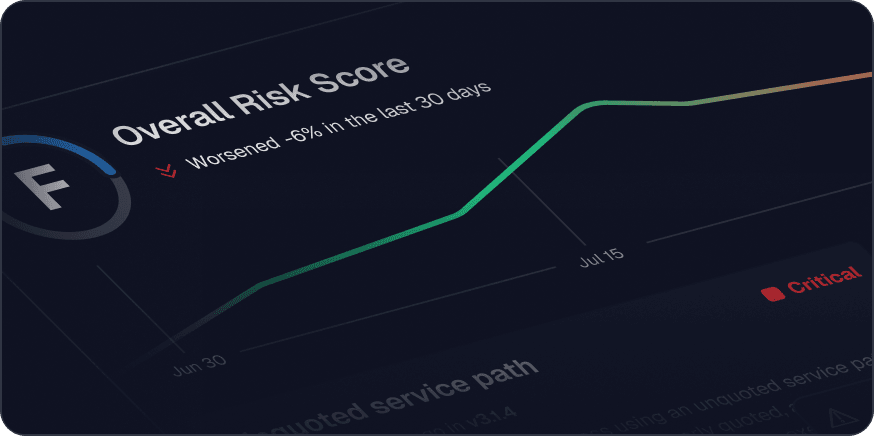
Spektion delivers continuous runtime insight that’s easy to implement and provides immediate value, helping CTEM programs focus on what’s exploitable and actionable in real time.
Why Security and IT Teams Rely on Spektion to Enhance CTEM Programs
CTEM programs depend on Spektion to uncover and prioritize exposures traditional tools miss, shifting remediation from reactive patching to continuous, evidence-based risk reduction.
CTEM Challenge
Solved with Spektion
The impact: Organizations using Spektion’s runtime intelligence reduce exploitable exposures by double digits in weeks, cutting operational risk and wasted patching effort.